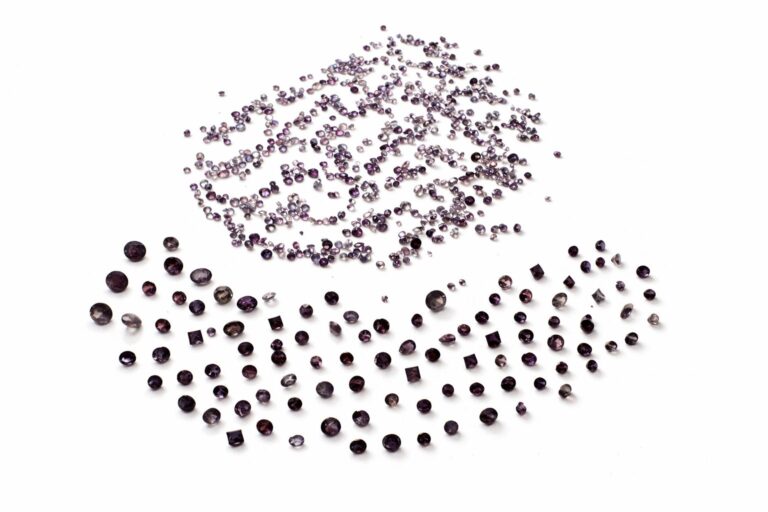
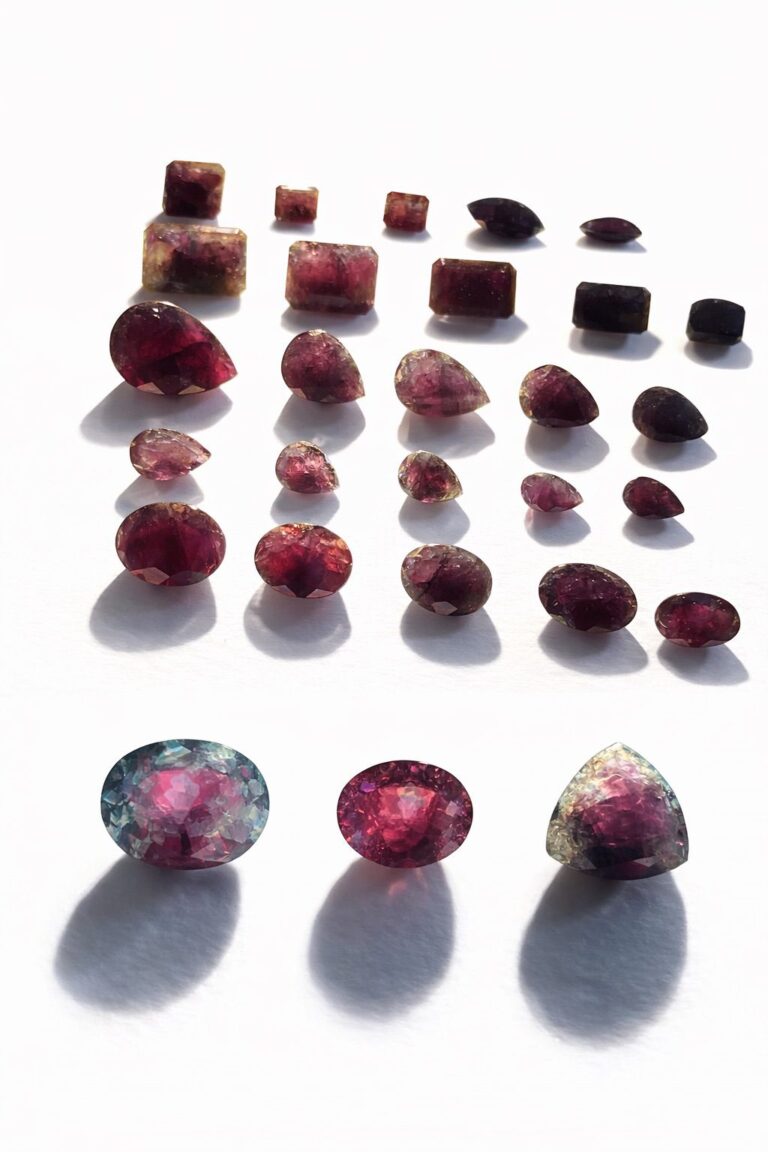
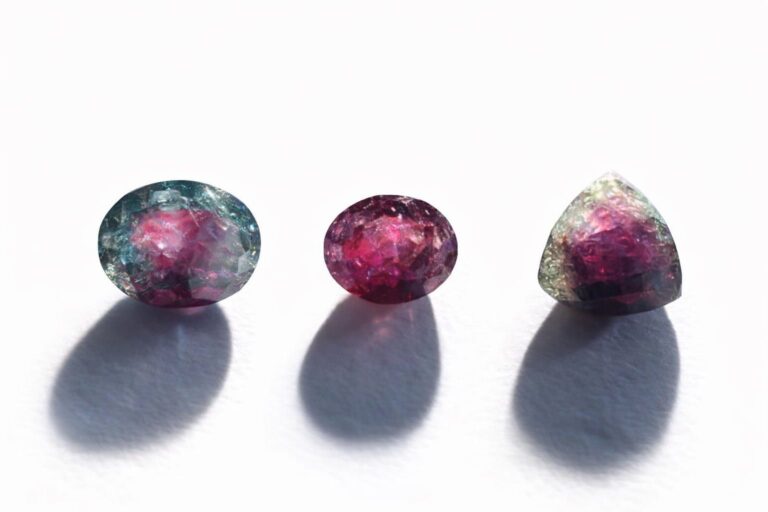
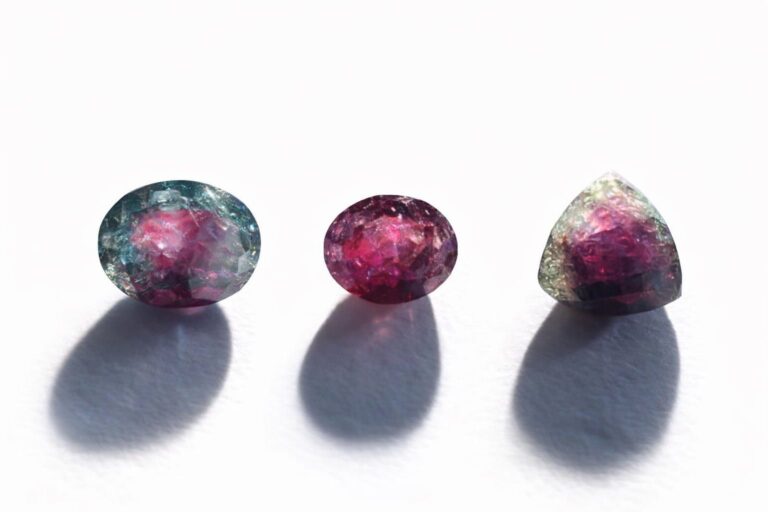
Alexandrite is one of the rarest and most fascinating gemstones in the world.
It was discovered around 1830 in the Ural Mountains, in Russia. At first, miners thought they had found emeralds because of its green color. However, something unusual caught their attention: under artificial light, the stone changed color, shifting from green to shades of red.
Because of this unique feature, the gemstone was named after Emperor Alexander II. Its colors also matched those of the Russian imperial army, which increased its historical significance.
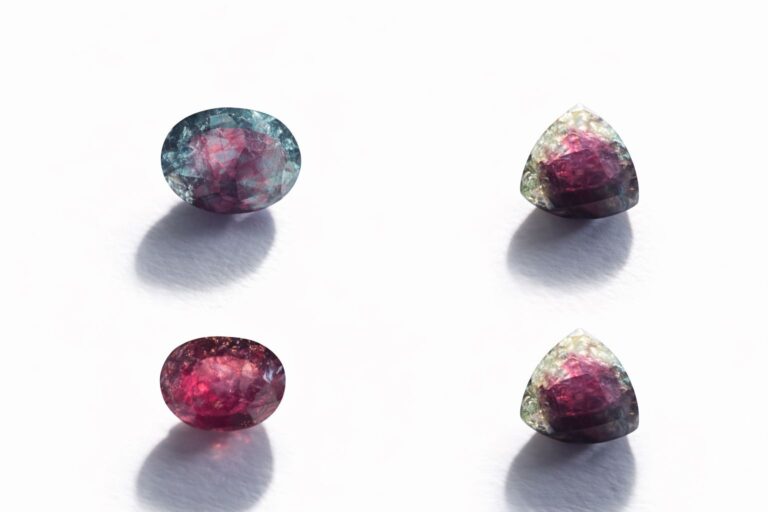
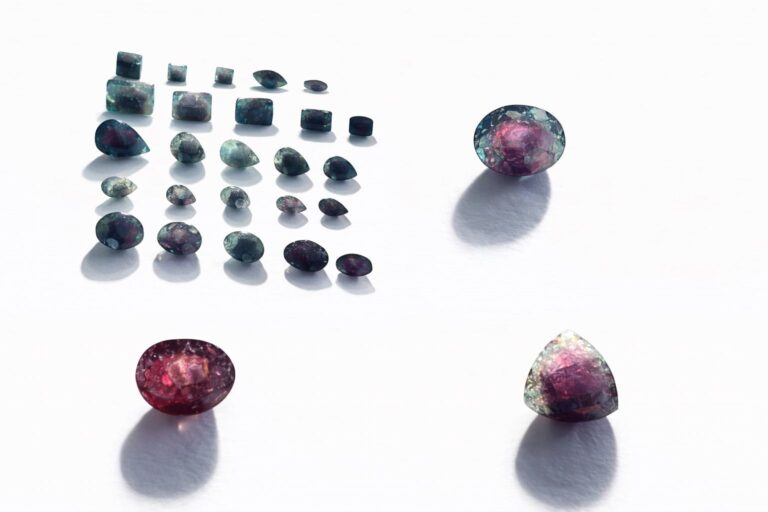
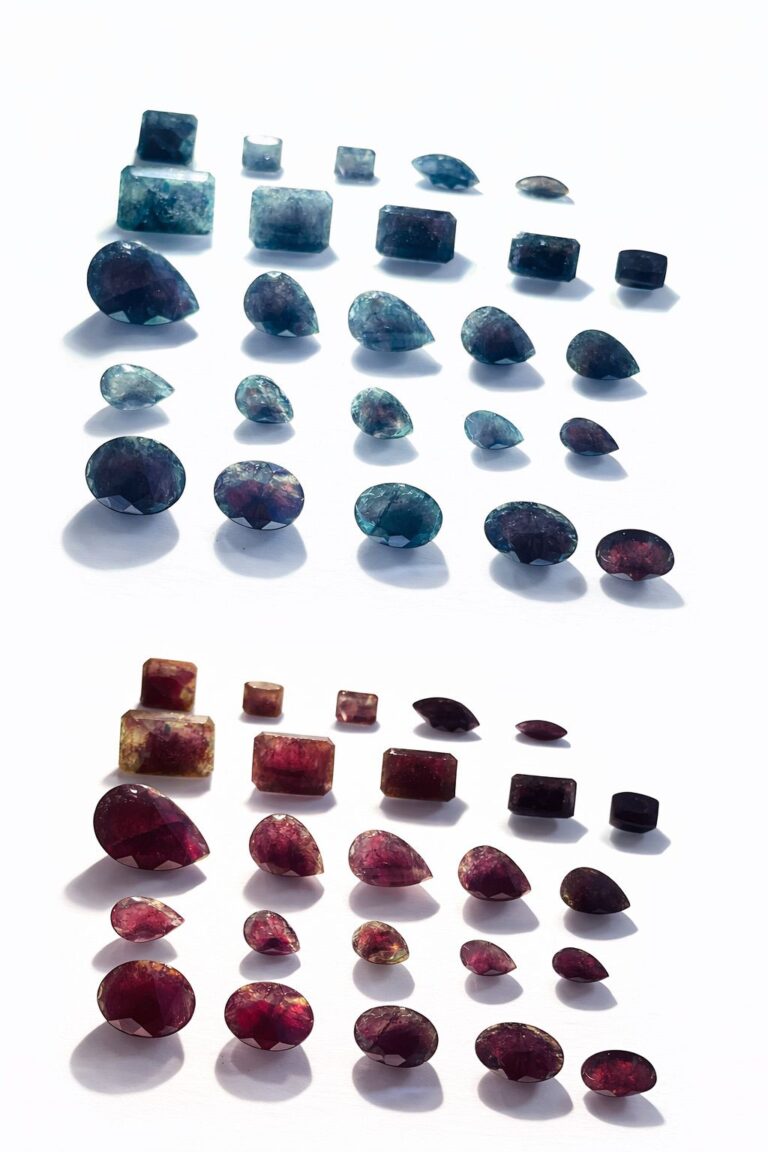
The main characteristic of alexandrite is its ability to change color:
In daylight: green or bluish-green
In artificial light: red, purplish, or wine-colored
This rare phenomenon makes alexandrite highly valuable in the gemstone market.
Today, besides Russia, alexandrite can also be found in countries such as Brazil, Sri Lanka, and Tanzania, but high-quality stones remain extremely rare.
Alexandrite is considered a symbol of transformation, balance, and adaptability, making it a very special gemstone for collectors and fine jewelry.